

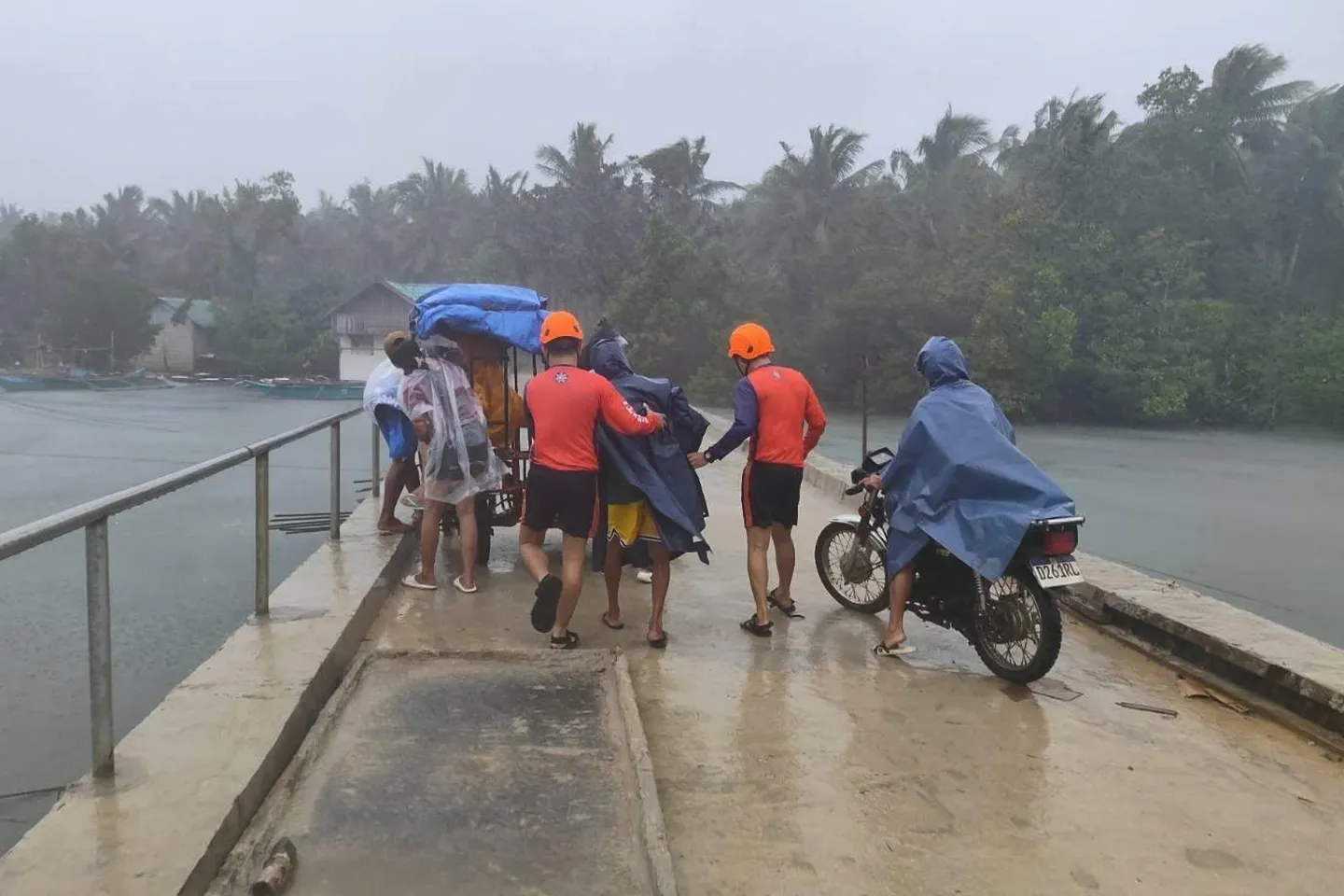
The Philippines mobilised emergency evacuations of more than 100,000 people on Sunday as Super Typhoon Fung‑Wong (locally “Uwan”) intensified and closed in on the country’s eastern and northern regions. With sustained winds of about 185 kph and gusts nearing 230 kph, the storm is forecast to make landfall in the central Luzon area later in the day, prompting the highest storm alert in several provinces. Authorities acted swiftly amid fears that the typhoon could unleash destructive winds, torrential rainfall and dangerous storm surges.
Massive evacuations and urgent warnings
In response to the escalating threat, evacuations were underway across multiple provinces, especially southeastern Luzon where the highest Warning Signal No. 5 was issued. Regions such as Catanduanes and the coastal parts of Camarines Norte and Camarines Sur were placed under this alert, while Metro Manila and surrounding districts carried Signal No. 3. A Philippine meteorologist warned that the storm’s “radius is so wide it could cover almost the whole Philippines,” signalling the scale of the hazard.
Pre-emptive moves included the cancellation of over 300 domestic and international flights, and power outages were reported in parts of Eastern Visayas even before the full force of Fung-Wong hit. In Camarines Sur, video footage captured evacuees transferring from narrow passenger boats to waiting trucks a vivid illustration of how seriously communities were responding to the threat. Local officials emphasised that residents in coastal and low-lying zones must move to higher ground, echoing earlier guidance given following another recent storm.
Context and looming danger
This latest emergency comes just days after the devastating impact of Typhoon Kalmaegi, which left scores dead and large-scale destruction in central Philippines and Vietnam. Authorities are therefore particularly concerned about the strain on rescue, shelter and recovery systems that are still engaged in clean-up and relief work. The fact that Fung-Wong is arriving so soon after Kalmaegi raises the risk of cumulative damage, especially in regions already weakened by earlier flooding and landslides.
Forecasters say Fung-Wong could generate storm surges of up to three metres and cause major river basins to overflow. Emergency operations chiefs warned that once the rain begins, rescue options become limited, noting that “when it’s already raining or the typhoon has hit and flooding has started, it’s hard to rescue people.” The government has declared a state of national emergency to unlock funds and mobilise resources more quickly, underlining how seriously the threat is being treated.
As the country braces for one of the most powerful storms of the season, the scale of the evacuation reflects both the severity of the forecast and the heightened caution resulting from recent tragedy. Authorities continue to monitor the storm’s path and urge everyone to follow official instructions, relocate when told, and prepare for potential power cuts, property damage and disruption to transport and essential services.